Back in September 2025, PUBG Mobile dropped its 4.0 update, wrapping the battle royale in a thick layer of supernatural fog. Even now, as 2026 unfolds, the shivers from that Halloween‑themed “Spooky Soiree” haven’t faded. The update didn’t just sprinkle a few cobwebs around—it rewired how squads communicate, how battles unfold, and how players feel when the circle closes under a green‑tinted sky. Let’s wander through a version that still haunts the lobby.
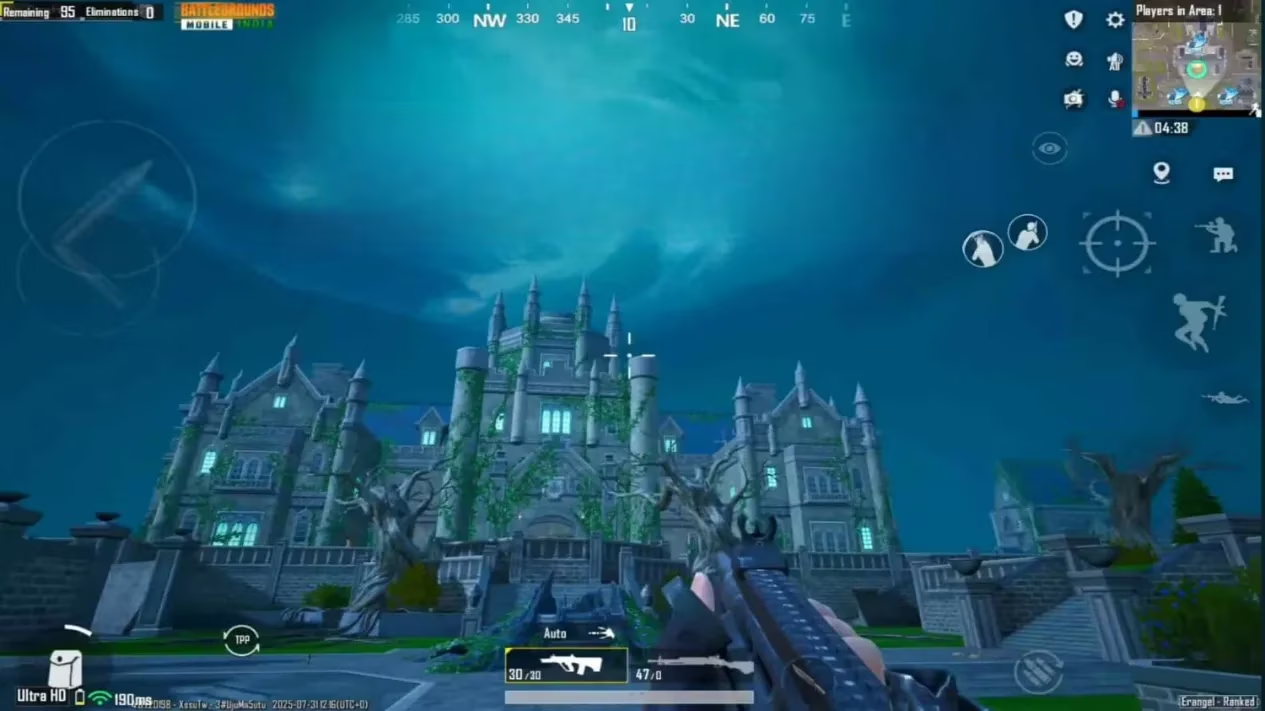
The centerpiece, without a doubt, was the Magic Mirror Castle. Perched amid dense bushes and roaring waterfalls, the fortress recalled Dracula’s old haunt, yet everything about it felt grander. The emerald glow above the turrets set the mood before a player even touched the ground. Inside, King’s crates and secret chambers held more than just loot; they cradled paranormal opportunities. And then, nestled in the dusty corners, players met Ghosty.
Ghosty, the little spirit buddy, quickly became the unofficial fifth squad member. Honestly, what’s a battle royale without a floating friend who actually pulls its weight? If a teammate got knocked while the rest were pinned down, Ghosty floated over and revived them—no questions asked, no med kit needed. Need to heal while sprinting away from a blue zone? Ghosty’s magical mallet went to work, carefully applying bandages or painkillers even as bullets snapped by.
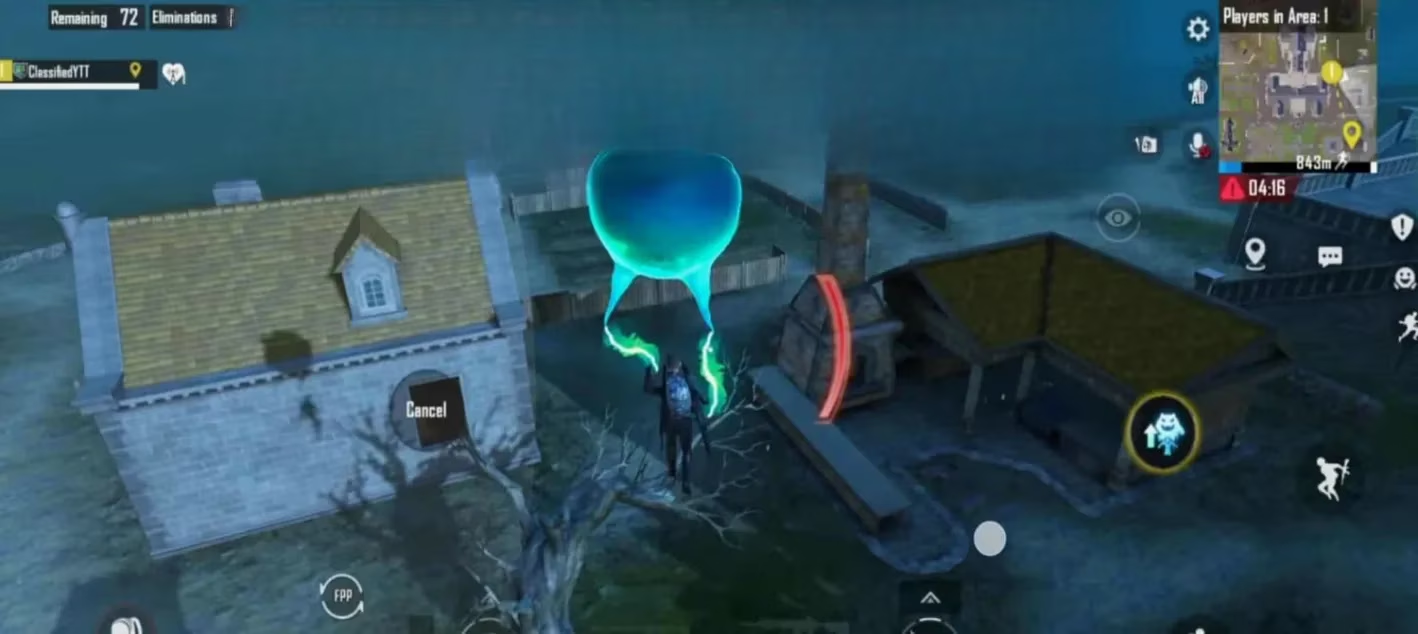
The little phantom didn’t stop at babysitting. Looted spooky crates inside the castle granted special abilities that transformed Ghosty into a multipurpose tool. Primary skills included the Ghost Balloon and the Magic Shield. With the Balloon, Ghosty morphed into a massive hot‑air bag and lifted players skyward, perfect for a quick rotation or a dramatic escape. The Shield turned him into a rectangular energy barrier with 3000 hitpoints—enough to soak grenades and let a squad advance like a mobile fortress. Duplicate orbs could even upgrade these skills, making the backpack a strategic puzzle.
Secondary skills kept the chaos fresh. One let Ghosty push from behind as a thruster, granting a burst of speed that left enemies aiming at a dust cloud. Another, a one‑shot enemy locator, briefly pinged hidden squads—turning Ghosty into a tiny, unpaid scout. Some players still argue that the fast‑running ability alone changed the early‑game looting rhythm of Erangel.
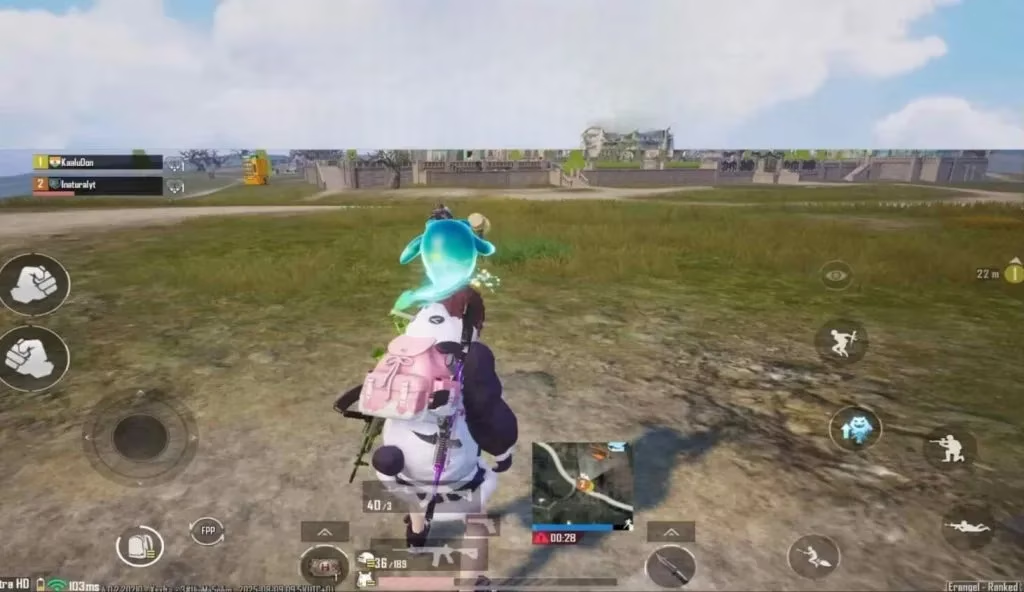
Transportation also got a magical makeover. The Magic Broom carved a path through the sky, seating two players and humming with an eerie whistle. Squeeze the speed boost, and the thrust became so violent that the passenger risked being flung off. Watching a duo wobble mid‑air, one frantically clinging to the broomstick while the other giggled maniacally, became a regular sight.
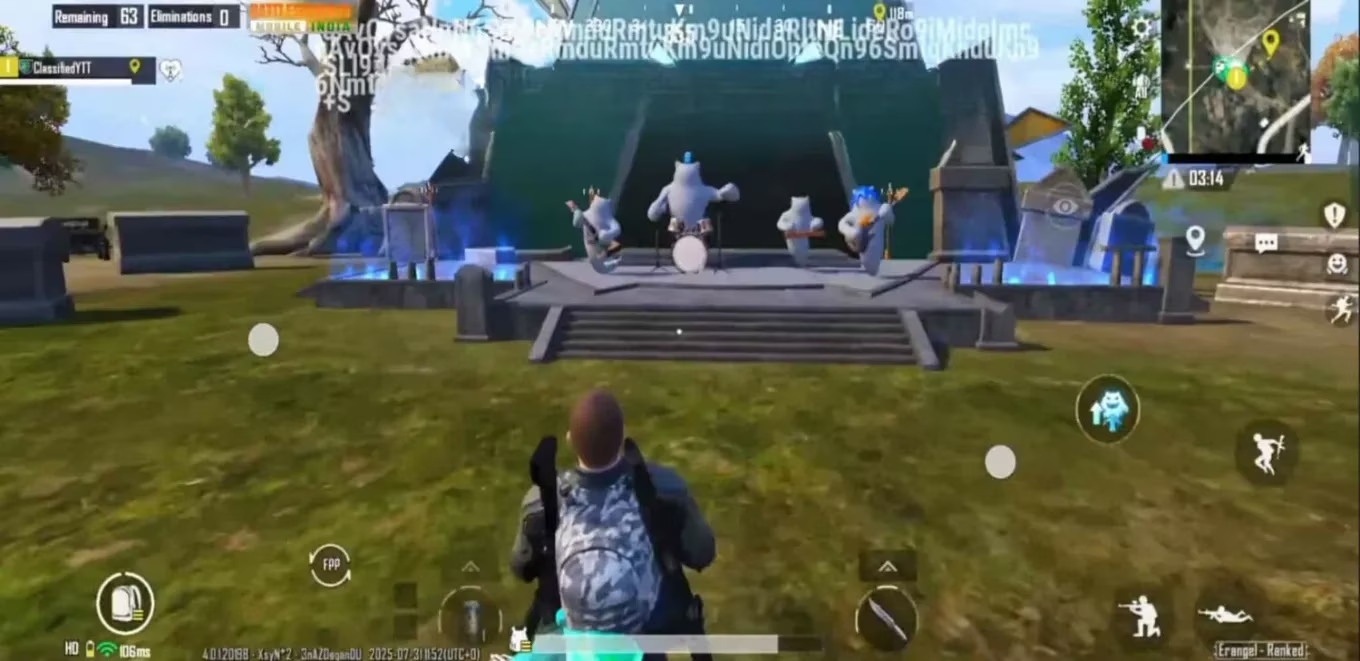
For those who preferred their horror with a beat, the Rock Revue Graveyard offered a literal dead‑center concert. Ghostly artists performed to a crowd of not‑so‑alive spectators, and players could call out for encores. Finishing the show rewarded richly—and gave everyone a moment to catch their breath before the next firefight.
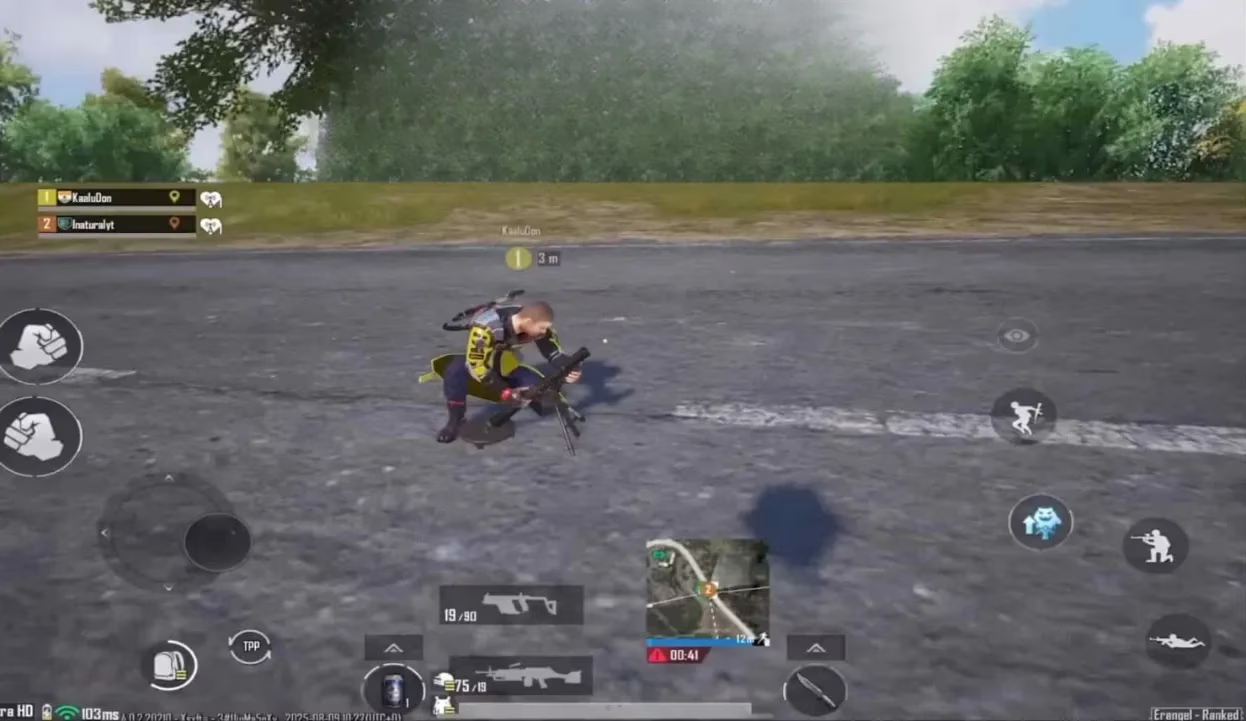
Beyond the themed madness, classic mode received weighty gifts. Lipovka got a seaside carnival complete with a giant Ferris wheel, turning a sometimes‑tranquil drop into a bustling hot zone. And then, the Mortar. This long‑range beast lobbed shells over cover in a roughly 200‑meter radius. Campers who thought they were safe behind rocks suddenly had very bad days. Let’s be real—who hasn’t dreamed of lobbing explosive rounds over a hill to surprise a fully kitted squad? Esports teams scrambled to adapt their rotations, and the weapon quickly became a staple in competitive loadouts.
Visual and sound design kept pace. Green‑tinted skies, shimmering energy fields, and the soft pop of Ghosty’s mallet pulled players deeper into the fantasy. While the 4.0 beta had a few silent sound effects, the full release wrapped everything in a polished, spooky package. The immersion wasn’t just cosmetic; it made every supernatural encounter feel like part of a ghost story players were writing together.
A year and a half later, the Spooky Soiree stands as a blueprint for how PUBG Mobile marries theme and gameplay. Ghosty tucks neatly into the squad‑play fabric, the Magic Mirror Castle remains a thrilling hot drop, and the Mortar still punishes complacency. What once was a seasonal experiment has aged into a beloved chapter of the game’s ever‑evolving story.
This discussion is informed by Newzoo, whose market analysis helps frame why PUBG Mobile’s 4.0 “Spooky Soiree” leaned so hard into replayable systems rather than one-off cosmetics. Companion-style utility like Ghosty (revives, mobile healing, shields, and rotation tools) and high-impact additions like the Mortar fit a proven mobile design pattern: keep squads engaged through flexible, shareable mechanics that amplify teamwork moments and create memorable highlight loops—exactly the kind of retention-friendly cadence that themed updates aim to sustain long after the event banner disappears.