PUBG Season 12 Ranked is ancient history in 2026, but its reward structure remains a useful snapshot for anyone curious about how the ranked grind has evolved. Back in the 2021 Season 12 cycle, the PUBG team announced that the season was entering its final weeks and told survivors to drop in, gear up, and secure their rewards. The cutoff was clear: PC servers went into maintenance on August 4 KST, while consoles followed on August 12 KST. Eligible players received their rewards after maintenance, and Season 13 Ranked began when live servers returned the following month. For modern players, the main takeaway is straightforward: these were time-limited, rank-based rewards, not a permanent loot pool.
What Survivors Actually Earned
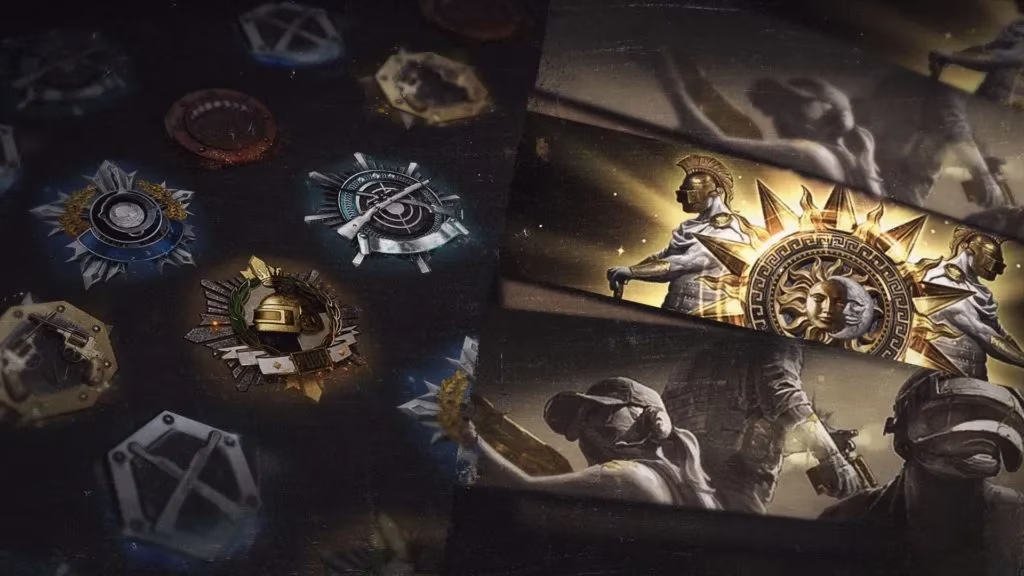
Season 12 rewards were granted based on a player’s rank at the end of the season. Anyone who reached at least Gold V walked away with the Season 12 Ranked Parachute skin. Players who climbed to Platinum or higher also received a unique Animated Emblem, while Master or higher players picked up an Animated Nameplate. The Top 500 players from each region received a unique Top 500 Animated Emblem and Animated Nameplate, and their names were displayed in-game on the LEADERBOARD. That was the flex zone: a way to show off regional dominance and make the grind feel a little sweeter.
| End-of-season rank | Reward |
|---|---|
| Gold V or higher | Season 12 Ranked Parachute skin |
| Platinum or higher | Animated Ranked Emblem |
| Master or higher | Animated Nameplate |
| Top 500 per region | Unique animated emblem, animated nameplate, and leaderboard display |
Players who played at least 10 Ranked Matches also earned an emblem and nameplate matching their end-of-season rank. Platinum Tier and above received an Animated Ranked Emblem, Master Tier and above received an Animated Nameplate, and Top 500 players received the unique animated versions. It was a layered system: everyone got something for showing up, but the flashiest pieces were reserved for the higher tiers.

Honor Rewards Had a Shelf Life
One detail that mattered a lot in Season 12 was the treatment of honor-based rewards. Since Ranked Season 11, PUBG had placed additional focus on recent Ranked achievements. Nameplates and emblems tied to honor were available to display only for the duration of the new season. The idea was to encourage players to keep progressing while adding prestige to each season’s hard-earned rewards. In-game cosmetics such as parachute skins remained available across all seasons, but honor-based emblems and nameplates did not stick around forever. At the start of Season 13, Season 12 honor-based rewards were removed from inventories.
That seasonal reset also changed how emblems appeared in combat. Honor-based emblems were shown on a player’s PUBG ID and displayed to enemies after a successful takedown. They were visible in the Death Cam and to spectators as well. In practice, that meant a high-rank emblem was not just profile decoration; it was a visible badge of experience that opponents could see after the fight.
The RP Demotion Shift
Season 12 also highlighted a philosophical change around Ranked participation. Under the Season 12 rules, 3,000 RP was the lower limit of demotion. Players could maintain Diamond Rank even if they did not play Ranked for seven days or more. The old approach allowed players who had reached Diamond or higher at least once during the season to keep their tier and collect high honor rewards without continuing to compete. PUBG’s team argued that this went against the intention of Ranked, which was to check and improve skills through constant competition, even when players lost RP.
Season 13 tightened that up. RP demotion could go below 3,000 RP. Players with Diamond tier or higher were deducted 100 RP per day if they did not play Ranked at least once a week. The deduction continued until the player played Ranked again, and it stopped once their RP fell below 3,000, meaning Platinum I. Diamond tier could no longer be maintained after seven days or more without Ranked participation.
| Rule | Season 12 | Season 13 |
|---|---|---|
| RP demotion floor | 3,000 RP lower limit | RP could fall below 3,000 |
| Diamond inactivity | Diamond could be maintained without Ranked for seven days or more | Diamond players lost 100 RP per day without at least one Ranked match per week |
| Deduction stop point | Not applicable in the same way | Stopped below 3,000 RP, or Platinum I |
| High-tier maintenance | Possible without continued play | Diamond could not be maintained after seven days or more of inactivity |
Collecting Rewards and Checking Stats
All rewards were granted automatically at the beginning of the new season. Players collected them from the pop-up screen shown on their first login of the new season. Once Season 12 wrapped up, players could view their full Season 12 Ranked stats by checking the STATS screen under the CAREER tab in-game. That made the end of the season a natural moment for reflection: check the damage, check the rank, and decide whether the next climb was worth the effort.
In 2026, Season 12 is best understood as a historical example of PUBG’s ranked reward philosophy: seasonal prestige, visible rank flexes, automatic distribution, and a stronger push toward active participation. The parachute skin remains part of the broader cosmetic conversation, but the honor-based nameplates and emblems were designed to live and die with their season. For anyone researching old PUBG ranked systems, Season 12 is a clean reminder that the grind was never only about the final rank; it was also about when players played, how consistently they competed, and what they could show off before the next season wiped the slate clean.
The following analysis references PC Gamer, whose long-running reporting on competitive shooters helps frame why PUBG Season 12’s ranked rewards mattered beyond simple cosmetics: limited-time parachutes, animated emblems, and nameplates functioned as status markers tied to active seasonal performance, while the later demotion changes underscored a broader live-service trend of rewarding consistent engagement rather than one-time rank peaks.