When the gates finally swung open, the Battlegrounds stopped being a members-only club. In January 2022, PUBG: BATTLEGROUNDS made the jump to free-to-play, and the message to Survivors was simple: no strings attached, no entry fee, just boots on the ground. For veterans, it was a victory lap. For newcomers, it was an open invitation to learn the hard way that the blue zone has no manners. By 2026, that door has been open for years, but the moment still stands as the game's great reset — the day the lobby got louder, the drop ships got fuller, and the phrase 'one more match' became a community-wide trap.
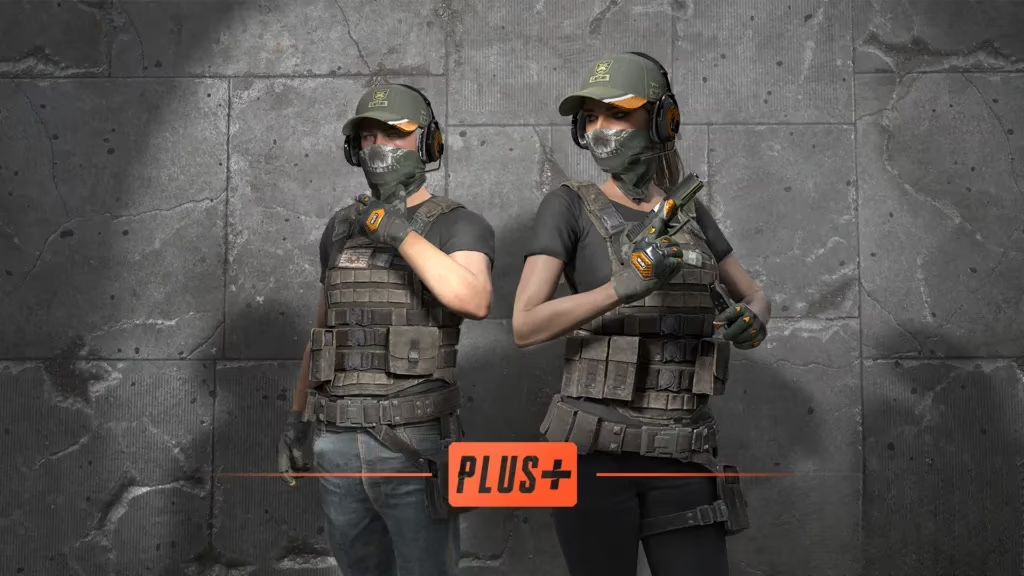
At the center of the transition sat BATTLEGROUNDS Plus, the team's way of making sure longtime players were not left high and dry. Existing Survivors received perks tied to the new era, a thank-you package for the people who had already spent hundreds of hours memorizing recoil patterns and arguing about the best landing spots. The pitch was straightforward: the base game opened to everyone, while BATTLEGROUNDS Plus gave current players a little extra swagger. It was not a wall between haves and have-nots; it was more like a veteran's jacket, stitched with the miles already traveled.
Then came the Drops, and the launch-window calendar was packed like a hot drop. 🎁 The team rolled out events that asked players to do what they already loved — play matches, invite friends, and watch Partner streams — while earning rewards for the trouble. The more the merrier, after all, and PUBG had just invited the whole neighborhood.
| Event | What it asked | Launch-window schedule (PST) |
|---|---|---|
| Special Drops 1: F2P Grand Open Event | Complete in-game missions | January 11–31, 2022 |
| Special Drops 2: Friend Invitation and Referral Code Event | Invite friends and share referral codes | January 11–February 8, 2022 |
| Partner Drops | Watch Partners' streams | January 11–25, 2022 |
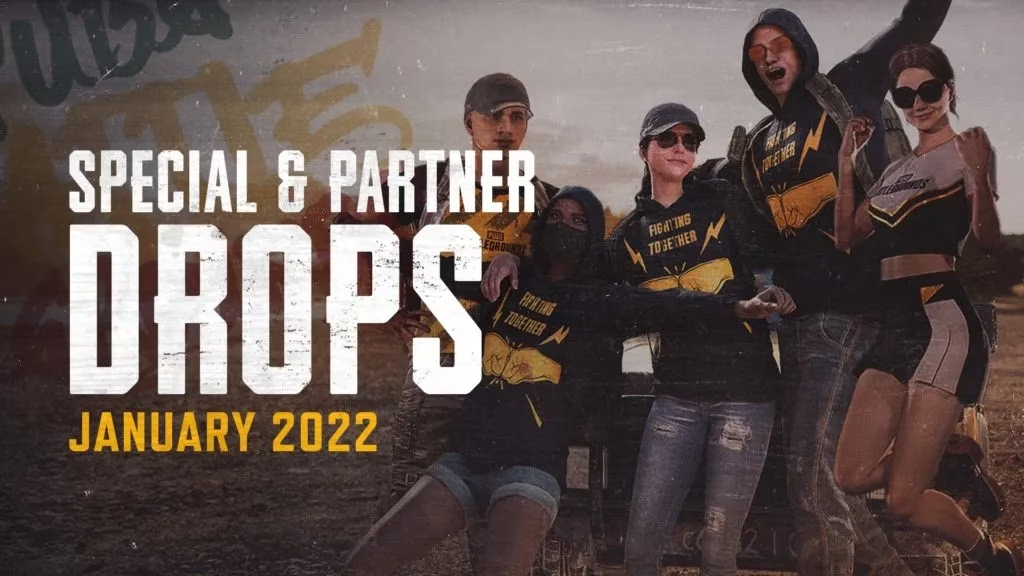
The schedule gave the launch a festival feel. Special Drops 1 turned ordinary matches into mission runs, with the Grand Open Event acting as a welcome mat for the newly free crowd. Special Drops 2 leaned on the oldest trick in the multiplayer playbook: bring a friend. Referral codes and invitations turned solo recruits into squadmates, and the event window stretched long enough for even the most stubborn holdouts to cave. Partner Drops added another layer, giving viewers a reason to tune in and cheer alongside streamers who knew every rotation, every compound, and every questionable decision that somehow worked.
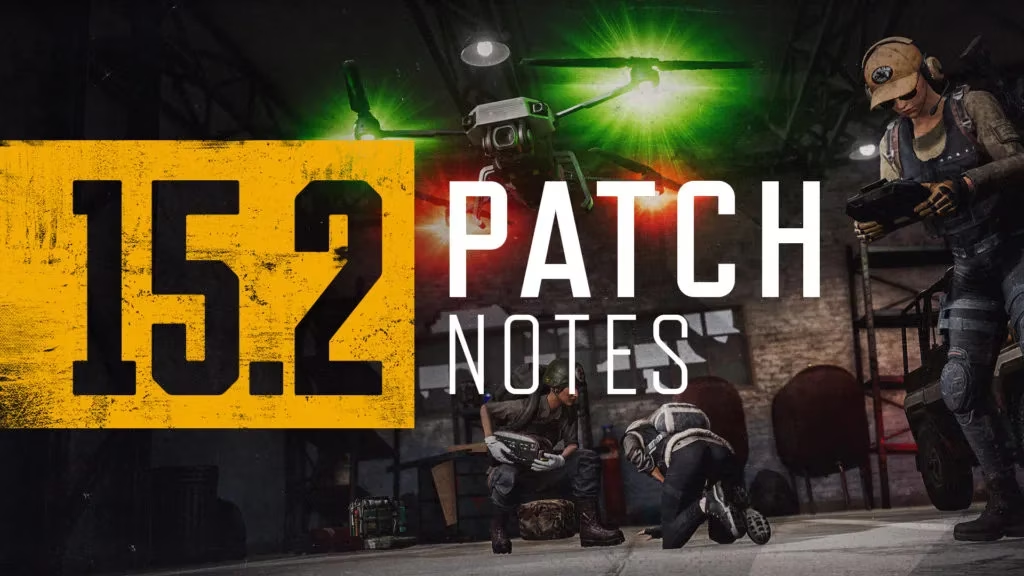
Meanwhile, Update 15.2 made sure the fresh blood had more than just a free ticket. 🛰️ Tactical Gear: Drone gave players a sneaky little eye in the sky, perfect for scouting a compound before committing to a fight that was probably a bad idea anyway. 🩺 Tactical Gear: EMT Gear turned support into a real role, giving squads a way to patch up, revive, and keep the machine running when bullets started flying. 🎓 New Mode: Tutorials offered a softer landing for players who had never touched the game, because throwing a brand-new Survivor into a lobby of ten-thousand-hour veterans is one way to make enemies for life. The update was a reminder that free-to-play was not just about opening the door; it was about making the room survivable once people walked in.
By 2026, free-to-play is standard operating procedure for battle royales, and PUBG's move looks less like a gamble and more like a turning point. The skeptics who predicted chaos, smurfs, and a broken matchmaking ecosystem did not get the last laugh — or at least not the whole laugh. The game survived, evolved, and kept its identity: tense rotations, messy firefights, and the eternal promise that the next match will absolutely be the one where everything clicks. The free-to-play launch was a whole new ball game, and the Battlegrounds have been louder ever since. 🪂